
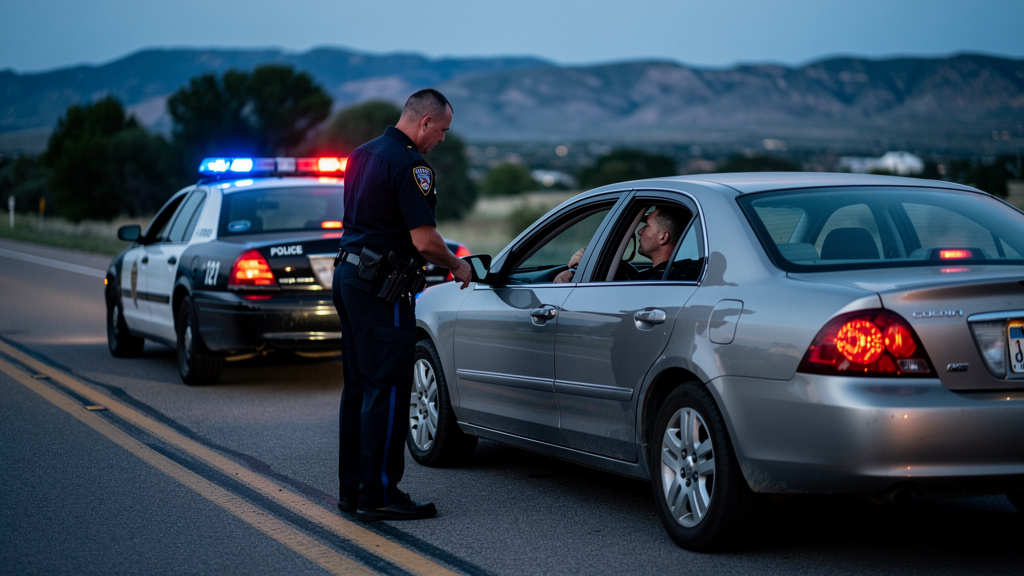
Learn the essential steps to take if you’re pulled over for a DUI in Colorado.
Getting pulled over for suspicion of DUI can be stressful and intimidating. It’s crucial to know your rights and understand the steps you need to take to protect yourself. This article provides a comprehensive guide on what to do if you find yourself in this situation in Colorado.
Understanding Colorado DUI Laws
Navigating the process of being pulled over for DUI in Colorado requires a solid understanding of the state’s laws regarding driving under the influence. Colorado has strict DUI laws, and penalties can be severe. A blood alcohol concentration (BAC) of 0.08 g alcohol/100 ml blood or higher is considered illegal for adult drivers. For drivers under 21, a BAC of 0.02 or higher can lead to underage drinking-and-driving charges and other penalties.
If found guilty of DUI in Colorado, you may face fines, license suspension, mandatory alcohol education programs, probation, and even jail time. Repeat offenses and cases involving aggravated circumstances can result in more severe penalties.
Colorado has an Express Consent law. By driving on Colorado roads, you agree to take a breath or blood test if an officer has probable cause to believe you are driving under the influence. Refusing a chemical test can result in an automatic driver’s license revocation, even if you are not ultimately convicted of DUI.
Colorado also has a “per se” DUI law, meaning that if your BAC is at or above the legal limit, you can be charged with DUI even if your driving was not impaired. This is important to remember, as some believe they can only be charged if their driving was affected by alcohol.
- According to the Colorado Department of Transportation, DUI-related fatalities accounted for 26% of all traffic deaths in the state in recent years.
Know Your Rights During a DUI Stop
During a DUI stop, it’s crucial to understand your rights. First, remain calm and respectful when interacting with law enforcement officers. You have the right to remain silent, and anything you say can be used against you in court. It’s recommended to provide your identification, car registration, and proof of insurance when requested. You are not required to answer questions about drinking, medications, or where you are coming from.
You also have the right to decline field sobriety tests (SFSTs), such as walking in a straight line or standing on one leg. A chemical test (breath or blood) is different. Refusing a chemical test may have consequences, including an automatic driver’s license revocation under Colorado’s Express Consent law. A refusal may also be used against you as evidence in court. Finally, it’s important to know that officers may seek a warrant for a blood draw if you refuse chemical testing.
Remember that during a DUI stop, police must have a lawful reason to pull you over (often called “reasonable suspicion”). It’s based on observable facts that lead an officer to believe a traffic violation occurred or that you may be impaired. If you believe you were stopped without a lawful reason, you may have grounds to challenge the legality of the stop in court.
If you are arrested for DUI, contact a DUI attorney as soon as possible. A lawyer can help protect your rights, explain what to expect next, and guide you through the process.
Steps to Take When Pulled Over
If pulled over for suspicion of DUI in Colorado, follow these steps to ensure a smooth and legally sound encounter:
- Find a safe place to stop your vehicle and pull over.
- Use your turn signal and, if safe, consider turning on your hazard lights.
- Turn off your engine and keep your hands on the steering wheel in a visible position.
- Roll down your window partially to communicate with the officer.
- Provide your identification, registration, and proof of insurance when requested.
- Exercise your right to remain silent.
- Be polite but firm.
The way you handle being pulled over can greatly impact the outcome. By following these steps, you ensure your safety and demonstrate respect for the law enforcement officer and the legal process.
Avoid making sudden movements or reaching for items in the vehicle without informing the officer first. This can help prevent misunderstandings and ensure a smoother interaction. Cooperation and politeness can go a long way in resolving the situation peacefully.
Dealing with Field Sobriety Tests
If an officer asks you to perform field sobriety tests, remember that you have the right to refuse. These tests are subjective and can be challenging, even for sober individuals. You may politely decline, stating that you do not wish to participate in these tests. However, keep in mind that an officer may still arrest you based on their observations and other evidence. Be polite but firm.
It’s important to understand that if you take field sobriety tests and the officer believes you performed poorly, the results may be used against you in court. Many people choose to decline SFSTs because they are subjective and can be difficult even when you are sober. In many stops, officers may already be looking for signs to support an arrest decision, so taking the tests may not help your situation.
Field sobriety tests assess a person’s physical and cognitive abilities. According to the National Highway Traffic Safety Administration (NHTSA), standardized field sobriety tests do not directly measure driving impairment; they are tools officers use to look for indicators associated with impairment. These tests often include tasks such as walking in a straight line, standing on one leg, and following a moving object with your eyes. Factors such as weather conditions, physical limitations, and nervousness can all impact the results.
Field sobriety tests are not foolproof and can sometimes produce false positives. Medical conditions, fatigue, or even wearing certain types of footwear can affect your performance. By refusing to take the tests, you are exercising your right to protect yourself from potentially incriminating evidence that may not accurately reflect your level of impairment.
Breathalyzer and Blood Tests and What to Expect
If an officer suspects you of driving under the influence, they will typically request a breath or blood test to determine your BAC. Colorado’s
means that by driving on the state’s roads, you have already agreed to take a chemical test if an officer has probable cause.
If you choose a blood test, your blood should be drawn by a qualified medical professional. Depending on the circumstances, you may also be able to request an additional independent test. If you have questions about which test you took or what options were available, consult with your attorney as soon as possible.
Breath tests measure the amount of alcohol in your breath to estimate the level of alcohol in your blood. These tests may be conducted roadside or at a police station and can provide immediate results. However, breath test results can be influenced by many factors such as mouthwash, certain medical conditions, or the device’s calibration.
Blood tests are generally considered more accurate than breath tests because they directly measure the alcohol concentration in your blood. A blood test is typically performed at a medical facility by a trained professional. In some situations, a qualified medical professional may draw blood at another approved location. Blood tests can take longer to process because they require a blood draw and laboratory analysis.
Navigating the Legal Process After a DUI Arrest
If arrested for DUI in Colorado, seek legal representation as soon as possible. A qualified DUI attorney can guide you through the legal process, help protect your rights, and potentially mitigate the consequences you may face.
Be prepared for court appearances, where you will have the opportunity to defend yourself against the charges. This process is not quick. Your attorney will help you gather evidence, challenge the validity of any tests conducted, and build a strong defense strategy tailored to your specific situation.
Remember, if you are pulled over for suspicion of DUI in Colorado, stay calm, know your rights, and take the necessary steps to protect yourself legally. Understanding the state’s DUI laws, respecting your rights during a DUI stop, and seeking the guidance of a qualified attorney can help you navigate this challenging situation with greater confidence and potentially achieve a more favorable outcome.
A DUI conviction can affect your job and personal life long after the case ends, so getting legal guidance quickly matters.
This article is for general information only and is not legal advice. Every case is different, and you should speak with an attorney about the specific facts of your situation. Contacting Maher & Maher Law does not create an attorney-client relationship, and you should not send confidential information until the firm has agreed to represent you.
Frequently Asked Questions About Getting Pulled Over for DUI in Colorado
What should I do the moment I see police lights behind me in Colorado?
Signal, pull over somewhere safe, and stop the car. Keep your hands visible on the steering wheel, stay calm, and wait for instructions. Provide your licence, registration, and proof of insurance when asked.
Do I have to answer questions like “Have you been drinking?”
No. You generally have the right to remain silent, and you are not required to answer questions about drinking, medications, or where you are coming from. You can be polite and firm while limiting conversation to providing required documents.
Can I refuse field sobriety tests in Colorado?
Yes. Standardised field sobriety tests (like walk-and-turn or one-leg stand) are optional, and you can decline. Officers may still arrest you based on their observations and other evidence, so stay respectful and avoid arguing on the roadside.
What is Colorado’s Express Consent law, and when does it apply?
Express Consent means that by driving in Colorado, you have already agreed to take a chemical test (breath or blood) if an officer has probable cause and you are arrested on suspicion of DUI. This is different from roadside field sobriety tests.
What happens if I refuse a breath or blood test in Colorado?
A refusal can trigger an administrative driver’s licence revocation, even if the DUI case is still pending. Officers may also seek a warrant for a blood draw in some situations.
What are the BAC limits in Colorado (including drivers under 21)?
For most adult drivers, 0.08 BAC is the per se limit tied to DUI per se. For drivers under 21, Colorado uses a lower BAC threshold (commonly referenced as 0.02 and up) tied to underage drinking-and-driving consequences.