
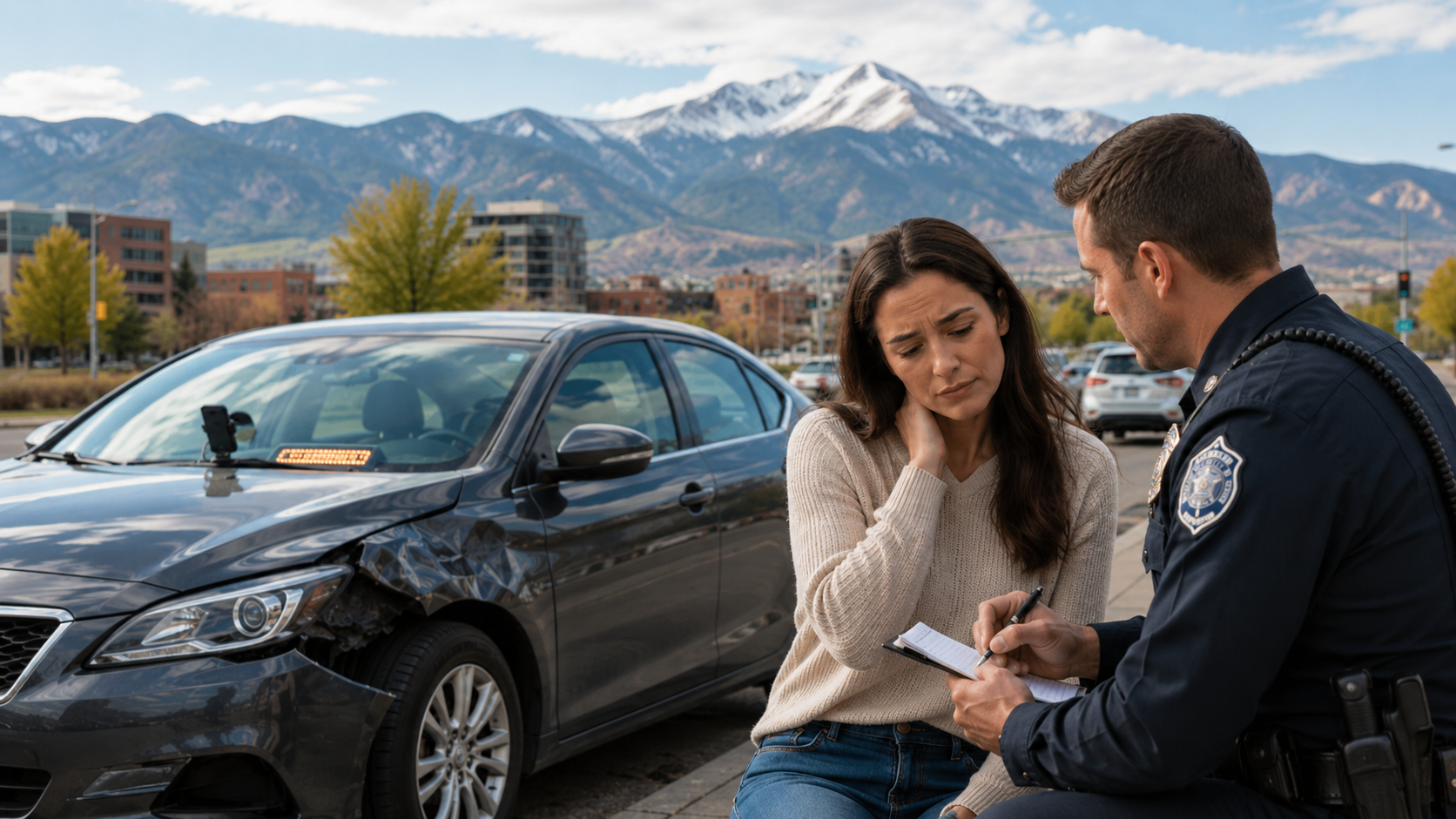
How Uber and Lyft insurance works in Colorado, who may be liable, and how to protect your claim
If you were injured in a rideshare in Colorado Springs, you are not alone and you do have options. Rideshare trips are convenient, yet an accident can leave you with medical bills, missed work, and a lot of confusion about who pays. This guide explains how Colorado’s insurance rules apply to Uber and Lyft, how liability is determined, and what to do now to protect your claim.
Why Rideshare Claims are Different
Rideshare crashes often involve multiple parties and layered insurance. The driver may be covered by personal auto insurance, a rideshare policy, or both, depending on what the app showed at the time of the crash. Colorado law sets specific coverage levels for transportation network companies, and those levels change with the driver’s status in the app. During a prearranged trip, at least 1,000,000 dollars in primary liability coverage must be in place, and since 2022 there must also be UM or UIM coverage of at least 200,000 per person and 400,000 per occurrence that protects drivers and riders if an uninsured or hit-and-run driver is at fault.
Understanding Insurance by “App Phase”
Think of coverage in three phases.
- App off. The driver is using the car for personal reasons. Only the driver’s personal policy applies.
- App on, waiting for a request. Colorado requires at least 50,000 per person, 100,000 per accident, and 30,000 in property damage coverage during this waiting period. Some platforms post similar numbers on their sites, but the statute controls in Colorado.
- Ride as a passenger in the car. Minimum primary liability is 1,000,000 per occurrence, plus the UM or UIM requirement noted above to protect riders and drivers if a different motorist is uninsured or underinsured.
Who May Be Liable After a Rideshare Accident
Liability depends on what caused the crash. Possibilities include the rideshare driver, another motorist, a third party such as a road contractor, or a combination under Colorado’s comparative negligence rules. In many claims, you will pursue recovery through the at-fault driver’s insurance, then through the rideshare policy if it applies for the relevant phase, and potentially through your own UM or UIM if needed. Because coverage sources can stack or offset, documenting the driver’s status in the app and the ride details is critical.
What to do Right Away After a Rideshare Injury
Your health comes first. Call 911 if there are any injuries. Even if you feel okay, get a medical evaluation within 24 to 48 hours, since some injuries emerge later. At the scene or as soon as you can:
- Photograph vehicle positions, damage, skid marks, and street signs.
- Capture screenshots from the app showing the trip, driver name, license plate, and timestamps.
- Get the rideshare driver’s full name, insurance, and phone number, plus contact details for any witnesses.
- Report the crash in the Uber or Lyft app to create a record.
- Avoid posting on social media and avoid recorded statements to any insurer until you speak with counsel.
These steps preserve evidence that helps connect your injuries and bills to the crash and clarifies which phase of coverage applies.
Common Injuries and How to Document Yours
Rideshare collisions often involve rear-end impacts and side impacts near downtown, on I-25 through Colorado Springs, or at busy corridors like Powers Boulevard and Academy Boulevard. Seek care for head, neck, back, and shoulder injuries, even if symptoms start mild. Keep copies of imaging, bills, mileage to appointments, and employer letters confirming missed work. A clean paper trail strengthens settlement value.
How Compensation Typically Works
Available compensation depends on fault, coverage, and the seriousness of your injuries. In a typical passenger claim where another driver caused the crash, you may seek recovery from that driver’s liability policy, then the rideshare UM or UIM policy that applies during the trip period. Colorado requires that UM or UIM during the prearranged ride meet minimum limits of 200,000 per person and 400,000 per occurrence, which can be essential if the at-fault driver is uninsured or flees.
Deadlines That Matter When Injured in a Rideshare Accident
Most Colorado motor-vehicle injury claims have a three-year statute of limitations. Some claims have shorter notice requirements, especially if a public entity is involved. Speak with a lawyer promptly so evidence and deadlines do not get away from you.
How an Attorney Helps in a Rideshare Case
Rideshare insurers move quickly and will request statements and medical authorizations. A Colorado Springs rideshare accident attorney can secure trip data from the platform, confirm driver status and coverage, coordinate your medical documentation, and negotiate with multiple insurers so you are not shortchanged. If settlement talks stall, your lawyer can file suit and present your case to a jury in El Paso County. Our approach is simple and client-focused. We explain your options in plain English, build the evidence with care, and fight to maximize your recovery while you focus on healing.
Final Thoughts for Colorado Springs and El Paso County Riders
Expect heavy traffic on I-25 near Garden of the Gods and Cimarron, and increased airport traffic at COS that can lead to more pickups and drop-offs. Rideshare activity near entertainment districts can lead to congestion and frequent stops. Stay alert as a rider, buckle up, and confirm your driver and vehicle in the app before entering the car. Use the in-app safety features when needed.
If you were injured in a rideshare in Colorado Springs, we are here to listen and to fight for you. Reach out for a free consultation today. Uber and Lyft are registered trademarks.
Frequently Asked Questions About Being Injured in a Rideshare in Colorado Springs
Is “rideshare” covered if the driver was just waiting for a request
Yes, Colorado requires minimum liability coverage during the waiting phase. The statute specifies at least 50,000 per person, 100,000 per accident, and 30,000 in property damage when the app is on but no ride is matched.
How much coverage applies once my ride is accepted
Colorado requires at least 1,000,000 in primary liability during a prearranged ride and requires UM or UIM of at least 200,000 per person and 400,000 per occurrence for drivers and riders.
Do I still need my own insurance if I was a passenger?
You should notify your auto insurer, since MedPay or UM or UIM on your policy may also help. In many cases, the rideshare policy applies first while you are a passenger, then your coverage may supplement if needed.
How long do I have to file a rideshare injury claim in Colorado?
Most motor-vehicle injury claims have a three-year filing deadline, with exceptions. Act quickly so the evidence is preserved.
Should I talk to the rideshare insurer before calling a lawyer
You can report basic facts, but avoid recorded statements or broad medical releases until you understand your rights. An attorney can coordinate communications and protect your claim.